
Thailand’s Cyber Future: Key Insights from Our Closed-Door Leadership Roundtable on Zero Trust
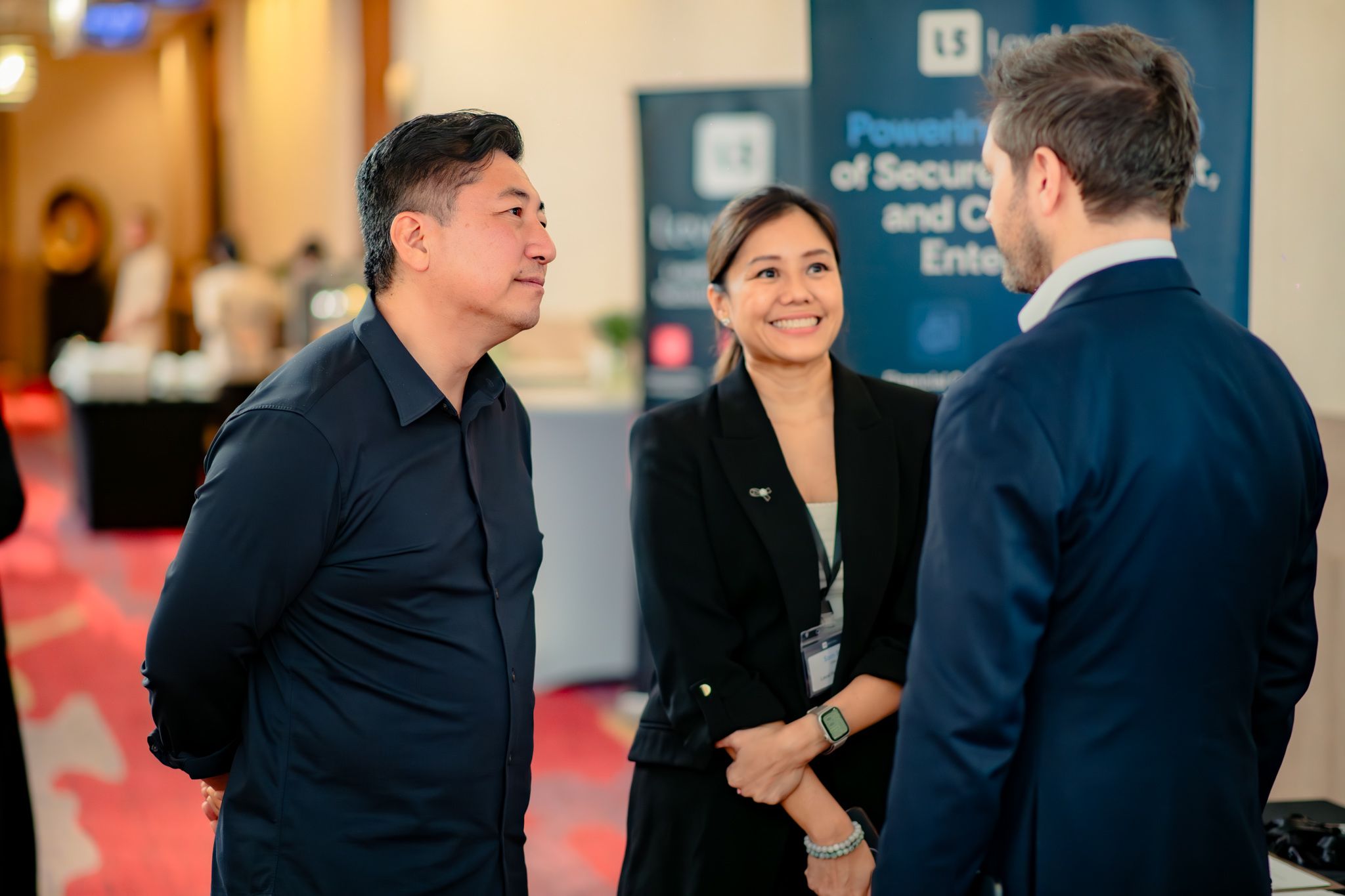
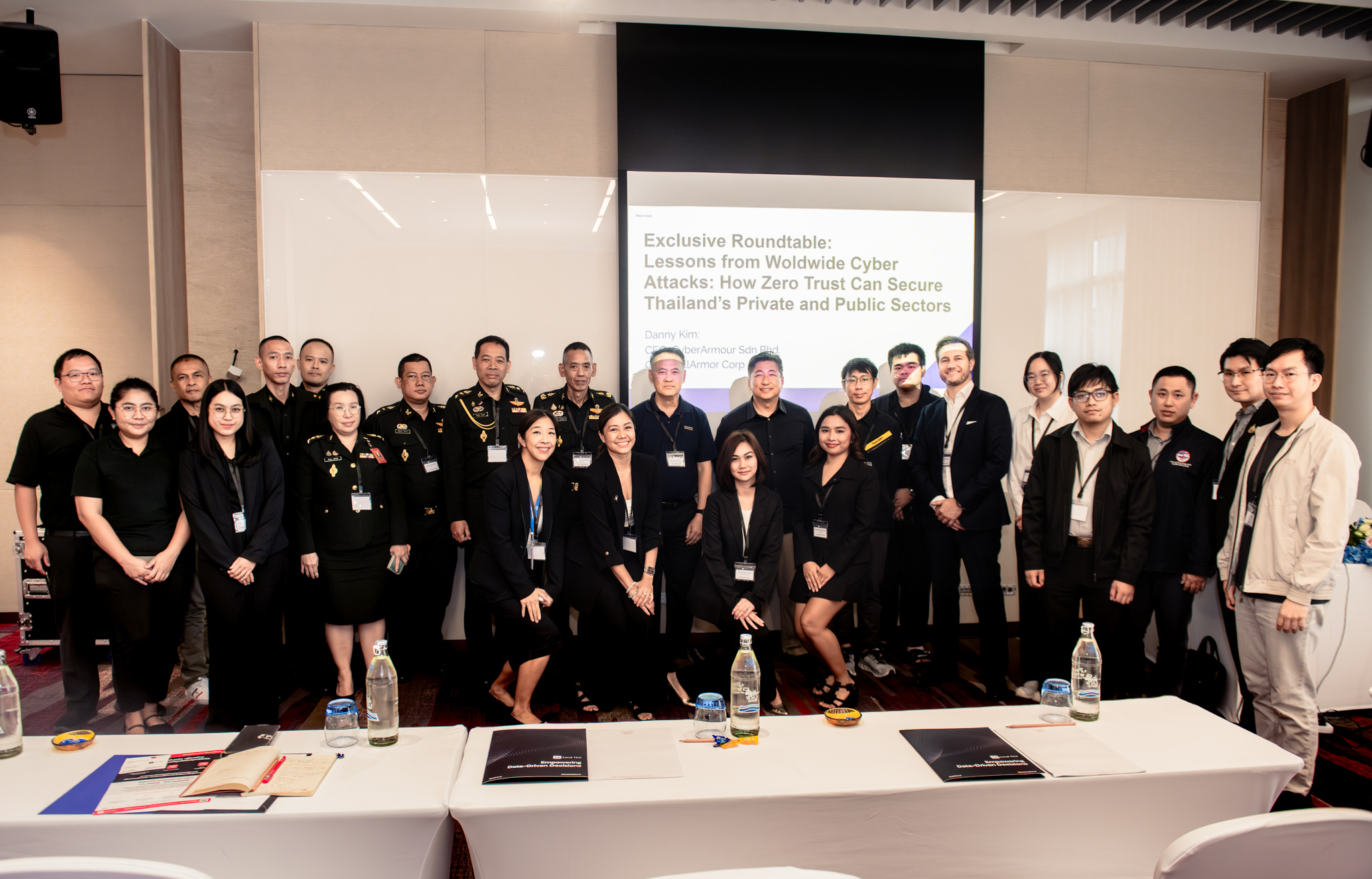
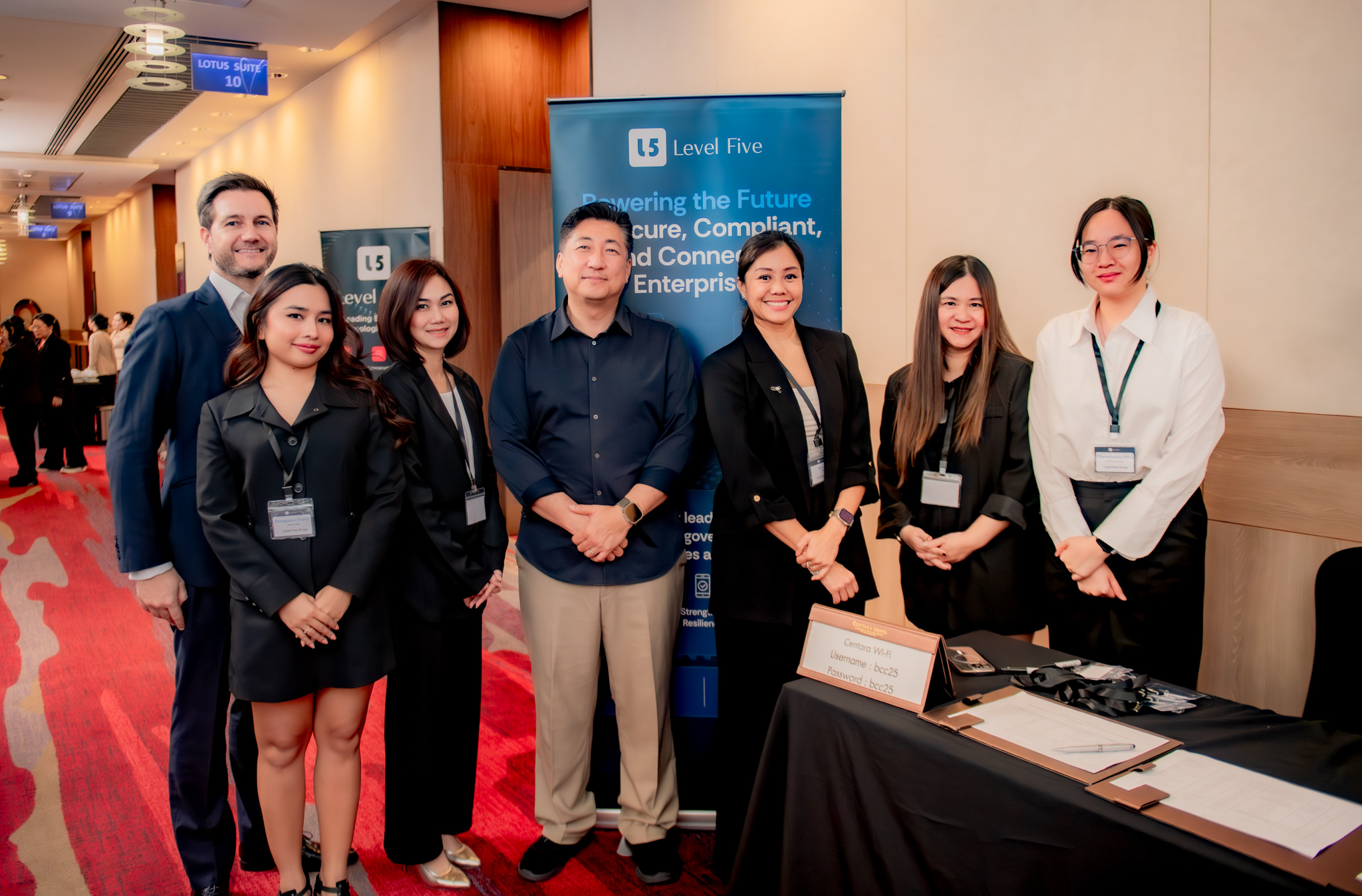
We recently hosted a full-house, closed-door roundtable titled “Lessons from Worldwide Cyber Attacks – How Zero Trust Can Secure Thailand’s Public & Private Sectors.” What unfolded was a powerful, candid, and deeply relevant discussion on the future of cybersecurity in Thailand.
Led by David Haynes, Chief Revenue Officer, together with Arthitiya Ritthisit, Head of Commercial for Thailand, the session brought together more than two dozen senior leaders across the nation’s most critical institutions. Participants included representatives from the Royal Thai Army, Royal Thai Air Force, National Cyber Security Agency (NCSA), Government Pharmaceutical Organization (GPO), Citibank, Central Pattana, and several of Thailand’s most influential corporate organizations.
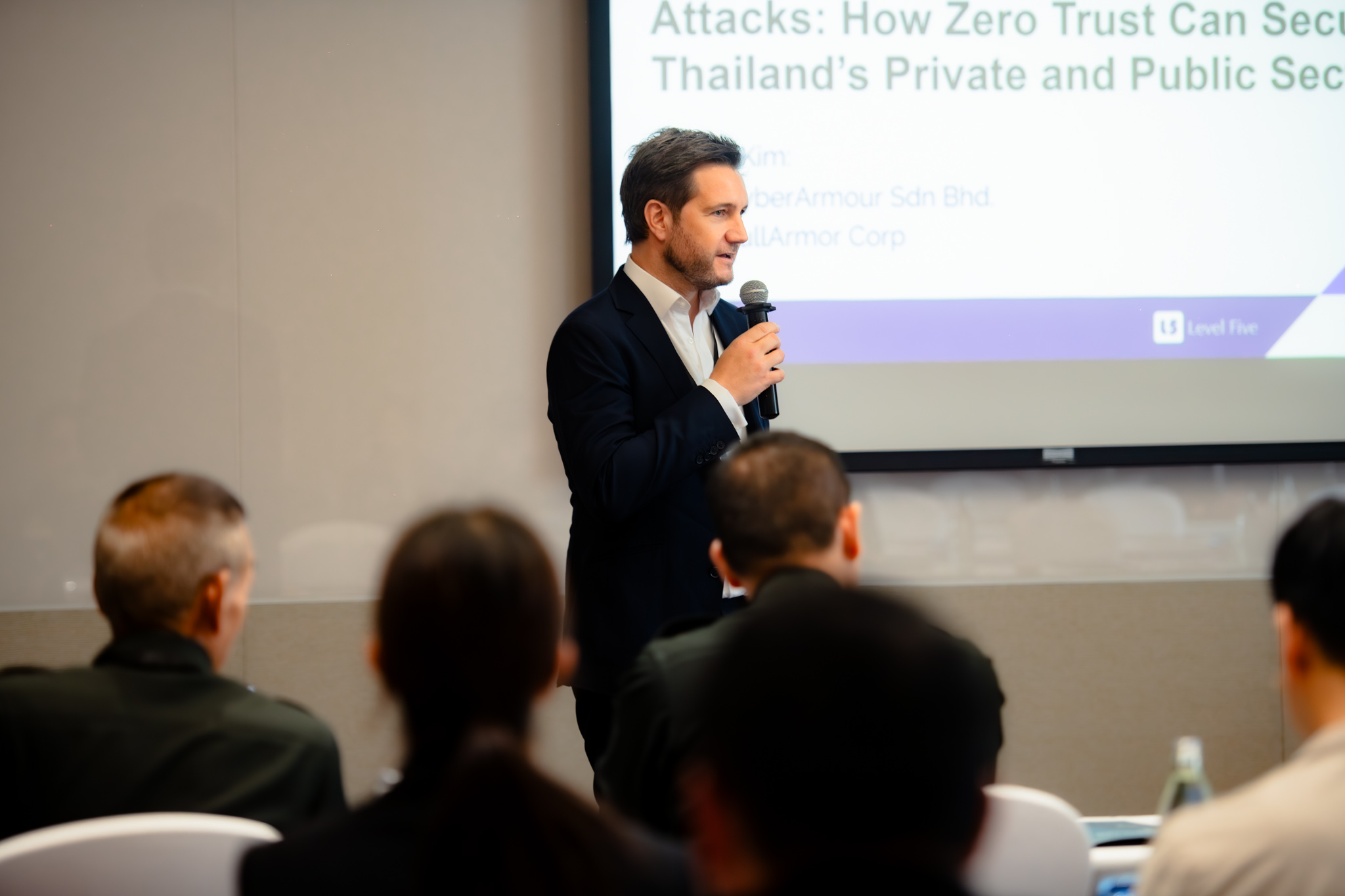

This diverse mix of government, military, and enterprise leaders created exactly the kind of environment needed for a high-stakes, high-value conversation about the realities of today’s cyber threat landscape. With attacks growing in intensity, sophistication, and automation, the timing could not be more urgent.
What We Learned: The State of Cyber Threats in 2025
The discussion revealed several important and, at times, sobering insights about how global cyber incidents are evolving — and what Thailand must prepare for.
1. AI is accelerating cybercrime at unprecedented speed.
Cybercriminals are now using artificial intelligence to hyperscale their operations. Attacks that once took weeks to develop can now be launched in hours, overwhelming legacy defense frameworks that simply cannot respond with the same agility.
2. Rising cybersecurity budgets aren’t stopping breach losses.
Globally, organizations are spending more than ever on cybersecurity. Yet breach-related damages are escalating even faster. This gap highlights a critical issue: traditional defense models are no longer aligned with modern attack vectors.
3. Attackers are entering through the very tools built for defense.
Firewalls, gateways, and routers — long considered foundational to security — now represent some of the most common entry points for attackers. These technologies were not designed for a world where perimeters are fluid, users are everywhere, and threats are automated.
4. Social engineering has evolved into a new era of realism.
Voice cloning, deepfake impersonation, and instant identity spoofing have changed the game. Threat actors can now imitate executives, employees, or vendors in minutes, making traditional verification methods increasingly ineffective.
5. The industry shift is clear: organizations must assume breach.
One consensus emerged strongly: Zero Trust is no longer a best practice — it is the minimum requirement for cyber resilience. Organizations must operate under the mindset that anything, or anyone, can be compromised.
6. Reducing the attack surface is becoming a top priority.
One strategy resonated strongly among participants: minimizing exposure, particularly by eliminating open ports, is proving to be a highly effective method for blocking intrusion attempts at scale. The fewer doors available, the fewer opportunities for attackers to walk in.
A Collective Path Forward for Thailand
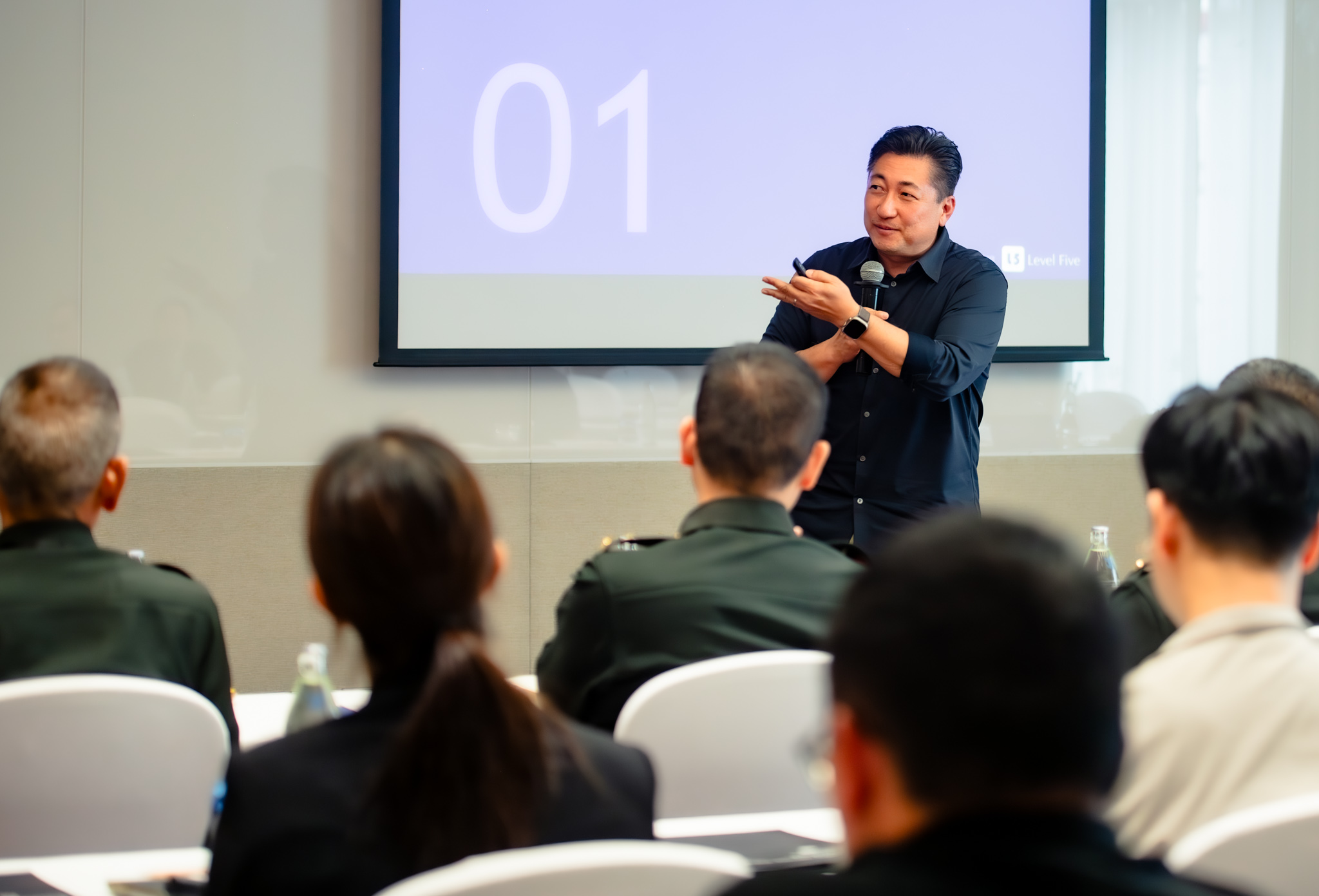
We extend our deepest thanks to all the leaders who joined us for this honest and mission-critical dialogue. Strengthening Thailand’s cyber resilience — whether in critical infrastructure, financial services, healthcare, or the broader private sector — depends on continued collaboration and knowledge-sharing across stakeholders.
Conversations like this play a vital role in shaping how organizations respond to a rapidly shifting threat environment. By openly examining challenges, comparing experiences, and exploring the principles of Zero Trust, Thailand’s leaders are better equipped to make informed decisions that protect their institutions and the people who rely on them.
Cyber resilience is an ongoing journey, and each shared insight moves us one step closer to a more secure digital future for the nation.
Excited to learn more?

the Future of Secure, Compliant, and Connected Enterprises
