
Level Five on the Ground: National CyberSecurity Summit 2026
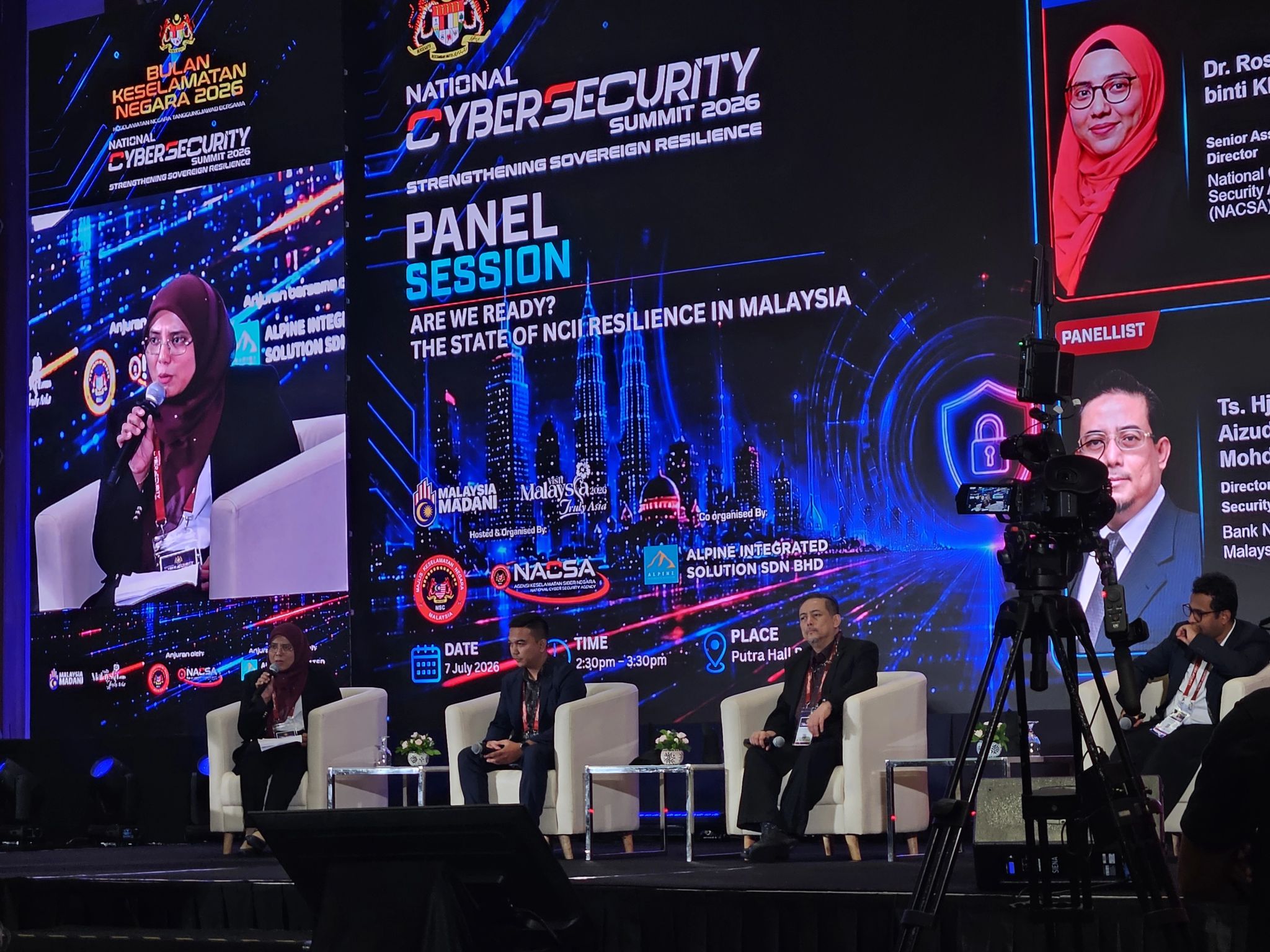
On the 7th to 9th July 2026, NACSA’s National CyberSecurity Summit held its bi-annual congregation of the industry’s best and brightest to connect and discuss the future of cyber-resilience across Malaysia.
Bringing together stakeholders and professionals from government agencies, law enforcement, cybersecurity, FIs and academia, this gathering will be imperative as AI technology has added a layer of unpredictability and accelerated the capabilities of threat actors in the region.
At Level Five, we’re beginning to see the foundation of a cross-sector defense network enveloping Malaysia, promising a cyber culture built on collaboration and intelligence distribution.
Key Topics
Conferences, roundtables, keynotes and panels gave decision makers in the industry key insights into emerging threats, new technologies, and what policies are shaping the future of cyber defense.
Protecting the NCII
The National Critical Information Infrastructure (NCII) is the digital backbone of all processes inside Malaysia. A cyberattack on a chain in the infrastructure could lead to downtime on critical and essential services such as healthcare, transportation, finance and energy.
FIs are No Longer the Main Target
Telcos, airlines, digital, energy, transport and supply chain infrastructures are the new attack surface. Integrated cross-sector intelligence and coordination must be fully realized as attacks no longer happen within financial perimeters. Continuous cyber assurance and resilience spanning industries is now a necessity.
AI is Obfuscating Real Strikes
We know that AI can curate more sophisticated angles of attacks, but another method cybercriminals are using is to overwhelm security teams with drawn-out, large volume campaigns, wasting time and resources in the process, while also providing a smokescreen for more precise attacks.
Regulatory Complexity and Compliance Burden
A recurring frustration: compliance requirements are seen as slowing down operational speed. Peers are examining the move toward cutting bureaucratic downtime to restore the operational agility, with discussion on how compliance can support rather than slow response times
The Mode and Surface are Adapting
When AI disrupted the tech spheres in a post Covid environment, much discourse has been on the dangers it posed. We are now seeing AI adapt to exploitative niches found in gaps of governance.
Strikes are taking place outside financial perimeters, and much earlier before money is moved. The industry is now making steps towards proactive responses, building upon the zero-trust frameworks of yesteryear, while also realising the detrimental impact of operational siloes.
In the coming years, we’re expected to see a rise in predictive behavioral modelling, as both genuine users and threat actors deploy their own AI agents. Discerning the agenda of good versus harmful behavior based on contextual cues will be the new firewall in an age where a disruption in critical digital infrastructure can have cascading effects.
Beyond Networking
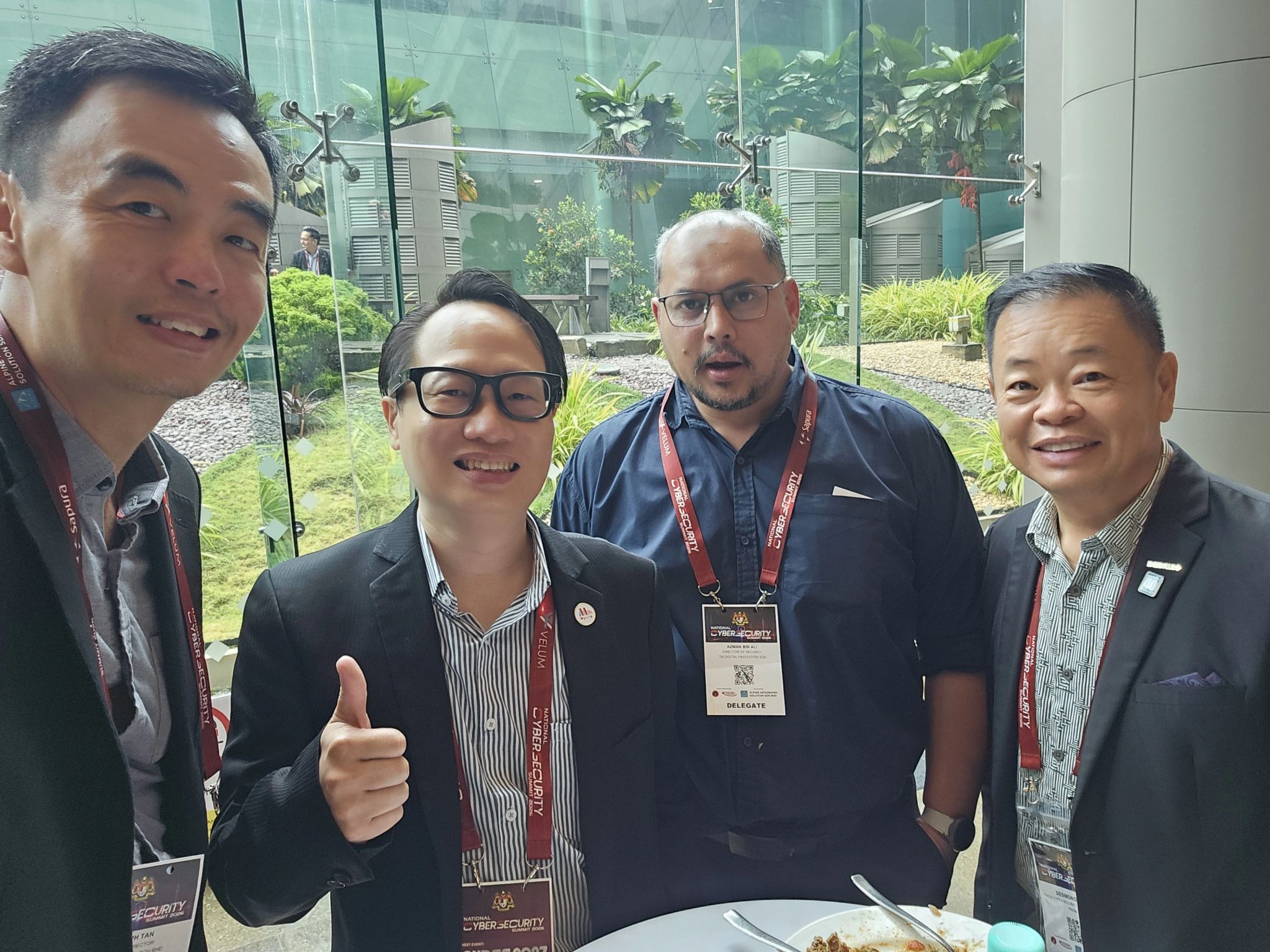
Our Malaysian team was graciously welcomed by the hospitality of the NACSA and the organisers. This event gave us opportunities to network, discuss and re-connect with clients and acquaintances.
Exhibition booths dotted the event spaces, offering games, hackathons and competitions for students. Others showcased forward thinking technologies that may soon be integral to the digital ecosystem.
Excited to learn more?

the Future of Secure, Compliant, and Connected Enterprises
